

Green roofing solutions for commercial buildings are not a new concept, but with a rising focus on sustainability and environmental responsibility, they are more popular than ever.
From reducing energy costs to mitigating the urban heat island effect, these systems offer numerous benefits for building owners.
However, understanding the complexities of green roofs, from their various types and components to their costs and maintenance, is essential for any business considering this eco-friendly investment.
This exploration into green roofing solutions for commercial buildings will equip you with the knowledge to make informed decisions about your property.
Stop high costs and inefficiency from stopping you! Contact FL Pro Roofing and Solar Inc. today for a free quote and see how we can improve your property.
What Exactly Are Commercial Green Roofing Solutions?
Green roofing solutions for commercial buildings involve transforming a conventional roof into a living, breathing ecosystem.
They go beyond simply adding a few potted plants. Think of layers of specialized components designed to support vegetation, manage water runoff, and improve building performance.
These systems vary from simple, low-maintenance setups to elaborate gardens requiring specific care.
Let’s break down the key components that make up these remarkable roof adaptations.
Delving Deeper: The Layers of a Green Roof
Similar to a well-crafted cake, green roofs consist of distinct layers, each serving a vital purpose:
- The Base: Typically, the existing roof acts as the foundation. Due to the added weight, this structural support needs reinforcement, particularly with extensive green roof systems.
- The Barrier: A waterproofing membrane acts as a crucial safeguard, preventing water from penetrating the building’s structure. It’s essentially the roof’s protective shield against leaks.
- The Drainage: A drainage layer, often composed of lightweight materials, allows water to move through the system and prevents root rot. This ensures excess water is efficiently channeled away from the roof.
- The Growing Medium: Not just any soil will do for green roofs. They use a specialized lightweight soil mix, carefully chosen to promote healthy plant growth while not overloading the roof. Factors like the types of plants and local climate play a role in substrate selection.
- The Greenery: This layer consists of the chosen plant life, ranging from low-maintenance sedums to thriving urban gardens. Think of it as choosing between a simple lawn and a vibrant flowerbed – each offers a unique aesthetic.
Diverse Green Roofing Systems: Beyond One Size Fits All
No two buildings are identical, and neither are green roof solutions.
The world of green roofing offers various options, allowing you to select the system that perfectly complements your building’s structure and your specific requirements.
Here’s a glimpse into different types:
- Extensive Green Roofs: Lightweight and low-maintenance, these systems primarily feature sedums and mosses, making them ideal for large commercial roofing systems with limited weight-bearing capacity.
- Semi-Intensive Green Roofs: Striking a balance, these allow for a wider variety of plant life than extensive systems while still being manageable in terms of weight. Imagine incorporating herbs, grasses, and even some smaller shrubs.
- Intensive Green Roofs: Picture a rooftop oasis—these complex, heavier systems can accommodate larger plants, trees, and even walkways, turning a roof into a usable green space.
The Intricacies of Green Roofing Systems for Different Businesses
While each industry benefits from sustainable solutions, different green roofing applications cater to specific needs.
Let’s explore how various sectors can leverage green roofs to their advantage:
1. Green Roofs in Manufacturing and Warehousing: Amplifying Efficiency
Manufacturing and Warehousing facilities are ideal candidates for green roofs because of their typically large, flat rooftops, perfect for maximizing green space.
Green roofs can significantly improve energy efficiency, a major consideration for these businesses.
By reducing the amount of heat absorbed by the building, green roofs can help lower cooling costs and reduce the overall energy consumption of the facility.
2. Green Roofs in Food Manufacturing: Cultivating a Sustainable Future
For the Food Manufacturing industry, adopting green roofs goes beyond environmental consciousness; it’s about responsible sourcing and community engagement.
Imagine an urban farm on your roof, providing fresh, locally-grown ingredients for your products – talk about reducing your carbon footprint.
3. Green Roofs for Cold Storage: Temperature Control Goes Green
Maintaining stable temperatures is paramount for Cold Storage facilities. Green roofs can act as natural insulators, reducing temperature fluctuations and decreasing reliance on energy-intensive cooling systems.
This not only helps reduce energy consumption but also extends the lifespan of cooling equipment by reducing wear and tear.

Reaping the Benefits: What Makes Green Roofing a Wise Investment?
Going green isn’t just trendy – it’s financially savvy, especially when you’re in charge of managing commercial properties.
The benefits of green roofing extend beyond environmental responsibility, offering a compelling case for businesses looking to enhance their operational efficiency and bottom line.
Let’s explore the practical advantages:
1. Reduced Energy Costs
Green roofing solutions for commercial buildings provide a layer of insulation that helps regulate building temperatures year-round. This means to substantial energy savings and, ultimately, lower utility bills for building owners.
A study by the U.S. Department of Energy found that green roofs can reduce energy consumption for heating and cooling by up to 15%.
2. Extended Roof Lifespan
Think of green roofs systems as protective armor for your building’s top. The layers of a green roof system act as a shield, protecting the underlying roofing materials from the damaging effects of UV radiation, extreme temperatures, and the elements.
This protection can significantly extend the lifespan of your roof. Less frequent roof replacements mean reduced roof maintenance costs in the long run, stretching your budget further.
3. Enhanced Sustainability and Reduced Carbon Footprint
Businesses are increasingly embracing environmental responsibility, and a green roof is a highly visible symbol of that commitment.
Green roofing solutions for commercial buildings contribute to a healthier environment in urban areas by absorbing rainwater, reducing the urban heat island effect, and improving air quality.
By installing a green roof, you demonstrate a genuine effort to lessen your environmental impact. Still, you also tap into a market where sustainability is a key factor in consumer decisions.
4. Improved Aesthetics
A green roof transforms a rooftop into a visually appealing space, creating a more pleasant working environment for employees and enhancing the overall aesthetic appeal of your property.
FAQs about Green Roofing Solutions for Commercial Buildings
What are two drawbacks of green roofs?
While advantageous, green roofing solutions for commercial buildings present a higher initial investment than traditional roofs. Their installation requires specialized components and potentially structural reinforcement, impacting overall expenses.
Regular upkeep, like any garden, involves costs for irrigation, fertilization, and plant replacements. Evaluating these factors beforehand ensures a balanced approach.
What is a commercial green roof?
This innovative approach involves installing a vegetative layer on a building’s roof, offering benefits like reduced energy costs, increased roof lifespan, and stormwater management.
Different green roofing solutions for commercial buildings system, from simple to elaborate, cater to specific needs, enhancing the building’s sustainability and aesthetic appeal.
What is the most sustainable roofing system?
The most sustainable roofing system often depends on factors like location and building needs.
Green roofs, especially those with diverse vegetation, are typically considered highly sustainable due to their insulation, stormwater absorption, and biodiversity benefits.
Using native plants, recycled materials, and adding renewable energy sources like solar panels can further enhance sustainability.
Invest in Green Roofing: A Smart Choice for Sustainability
Green roofing solutions for commercial buildings are steadily growing as a trend, fueled by a global push toward more sustainable practices.
These systems present advantages that can no longer be ignored, such as substantial energy savings, increased lifespan of the roof, a smaller carbon footprint for your building, and simply having a more appealing commercial property.
Consider factors such as roof membranes, potential for solar panels, and the inclusion of irrigation systems for optimal performance.
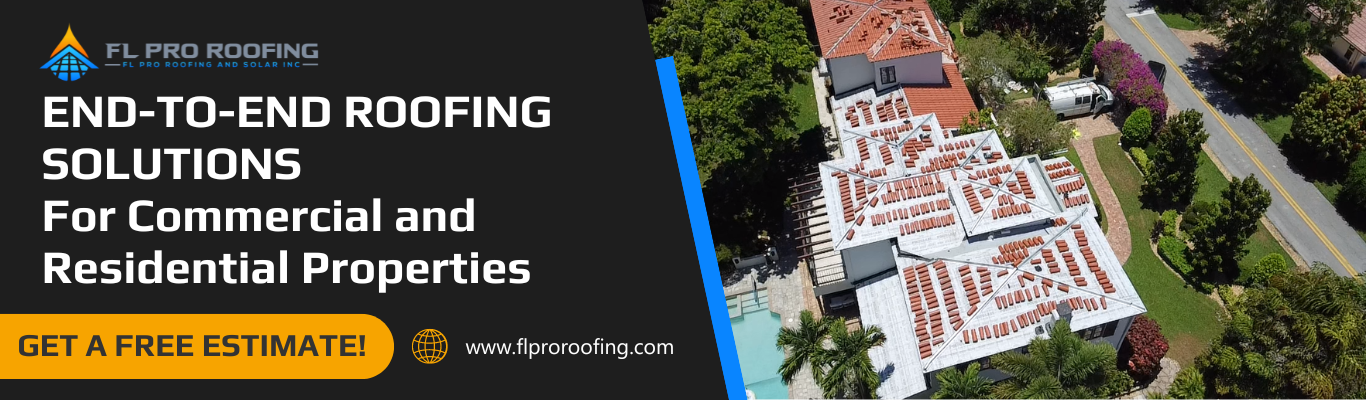
Want to save money on a roof or solar system that lasts? FL Pro Roofing and Solar Inc. can help! We offer the best service and solutions.
Contact FL Pro Roofing and Solar Inc. today for a free quote and start saving on energy bills at your home or business!